
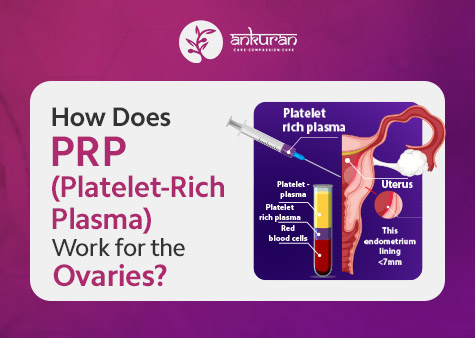
Platelet-Rich Plasma (PRP) therapy has revolutionised regenerative medicine, and its applications in fertility treatments are gaining momentum. One such advanced technique is ovarian PRP, which is showing promise in women with diminished ovarian reserve, low AMH, or premature ovarian insufficiency. This article dives deep into how ovarian PRP works, its process, benefits, success rates, and common concerns.
What is a PRP Treatment for Ovaries?
Ovarian PRP, or Platelet-Rich Plasma therapy for the ovaries, is a form of ovarian rejuvenation therapy that involves injecting a concentration of a woman’s own platelets into her ovaries. Platelets are rich in growth factors and signaling molecules that aid in healing and regeneration. This procedure aims to stimulate dormant follicles or improve the function of existing ones, potentially boosting fertility.
This approach is often considered the best ovarian rejuvenation technique for women with declining fertility due to age or poor ovarian reserve. PRP works by awakening cells within the ovary, potentially enhancing hormone production and promoting follicular growth.
What Happens after Ovarian PRP?
After undergoing ovarian PRP, most patients experience minimal downtime. The procedure is typically done via transvaginal ultrasound-guided injection under mild sedation.
Within weeks, some women may notice improvements in hormonal profiles like rising AMH (Anti-Müllerian Hormone) levels or an increase in antral follicle count during their next cycle. Results vary, but the intent is to rejuvenate ovarian function and improve chances of natural conception or response to IVF.
Learn more:
When is the Best Time to do Ovarian PRP?
The best time to undergo ovarian PRP is usually during the early follicular phase of the menstrual cycle (Day 2–5). This timing helps align with natural follicular recruitment and provides optimal conditions for rejuvenation. Your fertility specialist may tailor the timing based on your hormonal profile and treatment goals.
What is the Age Limit for PRP Ovaries?
While there’s no official age cap, ovarian PRP is generally offered to women under 45 years old, especially those with diminished ovarian reserve or premature menopause. Women above 45 may also consider it, but the Ovarian PRP success rate tends to decrease with age and severely depleted ovarian function.
Does PRP Work for the Ovaries?
Yes, PRP can work for the ovaries, especially in women with low AMH or poor response to stimulation. The Ovarian PRP benefits include increased hormone levels, more follicles, improved egg quality, and in some cases, return of menstruation in menopausal women.
Several studies and clinical reports suggest promising outcomes, particularly when used in conjunction with IVF or other fertility treatments. However, more research is ongoing to standardize protocols and optimize success rates.
Can PRP Grow New Follicles?
Ovarian PRP does not create new follicles but may activate dormant ones or improve the function of existing pre-antral follicles. It is thought to trigger stem cell ovary rejuvenation mechanisms by stimulating local tissue repair and cellular growth.
This rejuvenation may lead to visible follicles during ultrasounds that were previously absent, giving new hope to women with otherwise poor prognosis.
Can I get Pregnant after PRP?
Yes, many women have reported successful pregnancies after ovarian PRP therapy, both naturally and through assisted reproduction. While outcomes vary, especially with age and ovarian reserve, several fertility clinics have documented increased embryo quality and improved IVF responses after the treatment.
Ovarian PRP success rate is still being researched, but some clinics report a 20–30% improvement in IVF outcomes among selected patients.
Does PRP Increase Follicle Size?
Yes, there is evidence that ovarian PRP can help in increasing the size of follicles, especially those that were initially small or poorly developed. Follicles that grow larger have better potential to release mature eggs, which is crucial for fertilization.
This makes ovarian PRP a valuable tool in enhancing IVF stimulation cycles.
Can PRP Increase AMH?
Yes, ovarian PRP can sometimes increase AMH levels, which show how many eggs a woman has. This is one of the key ovarian PRP benefits, as it means the ovaries may be working better. The results are usually better in women under age 40 with some remaining eggs active.
Does Ovarian PRP Help with Egg Quality?
Improving egg quality is one of the main goals of ovarian PRP therapy. By delivering concentrated growth factors directly to the ovaries, the treatment may improve mitochondrial function within the oocytes, leading to better maturation and fertilization potential.
Although it does not guarantee success, it opens up more possibilities for women with previously poor-quality eggs.
How Successful is Ovarian PRP?
The Ovarian PRP success rate depends on multiple factors such as age, baseline ovarian reserve, hormonal profile, and concurrent fertility treatments. While comprehensive data is still evolving, early results show:
- Improved AMH and follicle counts in 60–70% of women
- Return of menstrual cycles in some menopausal women
- Successful IVF cycles in previously poor responders
It is often considered the best ovarian rejuvenation method when traditional treatments fail.
What are the Side effects of PRP Ovaries? Is Ovarian PRP Painful?
The procedure is usually performed under sedation, so most women experience little to no pain during the injection. Post-procedure discomfort is minimal and manageable with mild analgesics.
Common side effects may include:
- Mild cramping or spotting
- Slight risk of infection (rare)
- Discomfort at the injection site
Since PRP uses your own blood, there is no risk of allergic reaction or rejection.
Final Thoughts
Ovarian PRP represents a promising advancement in fertility care, offering renewed hope to women struggling with poor ovarian reserve or early menopause. By promoting stem cell ovary rejuvenation, improving egg quality, and enhancing hormonal profiles, this innovative therapy may pave the way for more natural and assisted pregnancies. While results may vary, the growing Ovarian PRP success rate has made it a preferred option for many who have exhausted traditional fertility treatments.
At Ankuran IVF Clinic, we are committed to staying at the forefront of reproductive innovations specially in Kolkata. Our team offers cutting-edge solutions like ovarian PRP therapy, proceeds according to individual fertility needs. With compassionate care, advanced technology, and a track record of success, Ankuran continues to be a trusted destination for couples in Kolkata seeking the best ovarian rejuvenation and holistic fertility support.
FAQ:
What is Ovarian PRP cost?
The cost of ovarian PRP ranges from ₹12,000 to ₹40,000 per session, depending on anaesthesia use and whether it’s combined with laparoscopy.
What to Avoid after Ovarian PRP?
Avoid heavy exercise, sexual activity, and alcohol for a few days. Follow your doctor’s instructions for the best results.
How Painful is Ovarian PRP?
Ovarian PRP is usually done under mild sedation or anaesthesia, so most women feel little to no pain during the procedure. Mild cramping may occur afterward.


No Comments